How Metrical & Rhymed Poetry Found Me

“The old have known the secrets of the heart./The key to science, music, light and more./Like birds that fly they know what wings are for./Why worry, brood and ponder like Descartes?/“I think therefore I am” is not so smart./“I feel therefore I am” can teach us more./A life too much examined is a bore./Far better to explore the fount of art./Did Leonardo doubt before he drew?/Did Monteverdi hesitate to hear?/Did either of them doubt the things they knew?/They plunged right in. For them their work was true./No vacillation, no excessive fear./They saw the world and both enjoyed the view.”—Janet Kenny
Singing & Drowning
By Janet Kenny
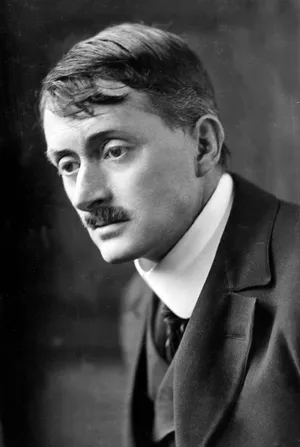
 “I write in rhyme and meter because . . . because that is what I do. That is the way poetry presents itself to me. I can’t write it any other way. I’m not at all sure I would want to, but even if I did want to I couldn’t.”—John Whitworth
POINT VERNON Australia—(Hubris)—November/December 2026—My mother used to tell the tale of a very young me, who talked before I walked, sitting up in bed and singing “Early one mor-or-ning, just as the sun was ri-i-sing, I heard a maid si-i-ing in the va-a-lley below. Oh, never lea-eave me. Oh, never grie-ieve me. How-ow could you u-u-use a poo-er maiden so.” She didn’t know where I’d learned the song.
We were not what’s known as a musical family. At that time, we had no piano and my parents never bought a gramophone. Our country didn’t have an orchestra until I was aged about 15. But my father played the harmonica, a fact which made my mother ashamed. My father also liked to tap dance but that was definitely not approved of.
What I am talking about though is melody and rhythm. Rhythm is what gripped me. I had a wooden xylophone and played Turkey in the Straw which my father played on his harmonica.
My poet-aunt gave me books with simple poems in them. Even Twinkle, Twinkle, Little Star, which I didn’t know was an old French tune. Mozart loved its simplicity.
From such models I rapidly developed a love of rhythm which was emphasized by rhyme and a sense of the diatonic scale which also was emphasized by rhyme. The intervals of the tonic chord used rhyme in songs to say, “Here I am, back home again.” I learned to love the octave and what it could do. Just like rhyme.
At school when I was still very young, we read John Masefield’s “Sea-Fever.” We just read poems; we didn’t analyze them.
The first stanza won me:
“I must go down to the seas again, to the lonely sea and the sky,
And all I ask is a tall ship and a star to steer her by;
And the wheel’s kick and the wind’s song and the white sail’s shaking,
And a grey mist on the sea’s face, and a grey dawn breaking.”
I particularly loved the way the rhythm broadened on “tall” in line two.
Then, in the last two lines, “wheel’s” and “winds” and “white sails shaking” automatically made you lean on them. The rhythm was repeated in line four. Nobody taught me this, unless one might say that John Masefield taught it to me.
It was what I loved about poetry.
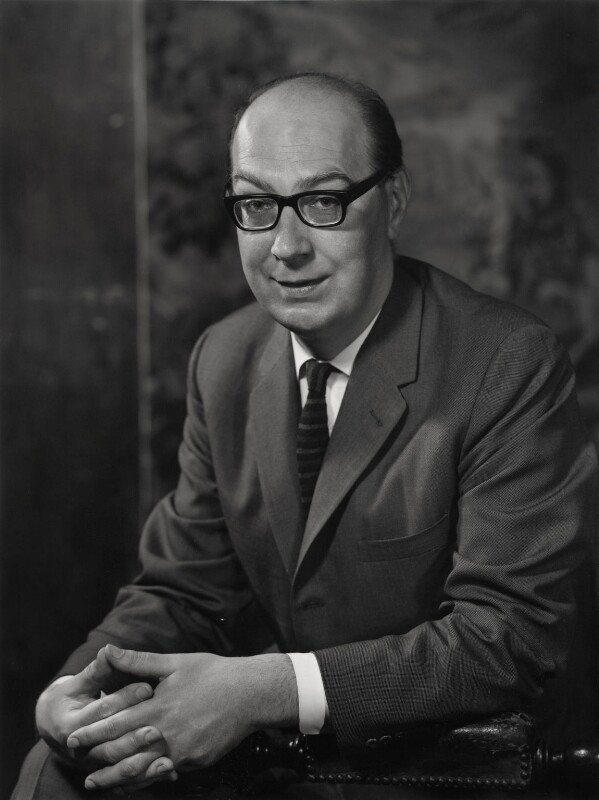
Warlock-Williams Writes an Invitation
“Vers de Société”
By Janet Kenny
My wife and I have asked a crowd of friends
To celebrate the old year as it ends:
We hope you’ll come? Please God make him refuse.
He treats Amontillado like cheap booze
And shows no interest in what we say.
We most devoutly hope he’ll stay away.
He lives next door. We felt we should include
Him, though he finds our closest friends de trop.
Some of his comments can be rather rude.
He asks about the progress of my work
But listens with a smirk.
He lives alone. One reaps what one can sow.
The old are always left alone when others
Gather to celebrate. Nobody bothers
Asking them for some party talk and fun.
They cook a meal for one.
And so Dear Philip Larkin you must come
To drink our health. Without you we’ll be glum —
Janet Kenny: This poem is a response to Philip Larkin’s “Vers de Société,” in which Larkin receives an invitation from Warlock Williams. That poem perfectly expresses Larkin’s grudging conformity to middle-class niceness.
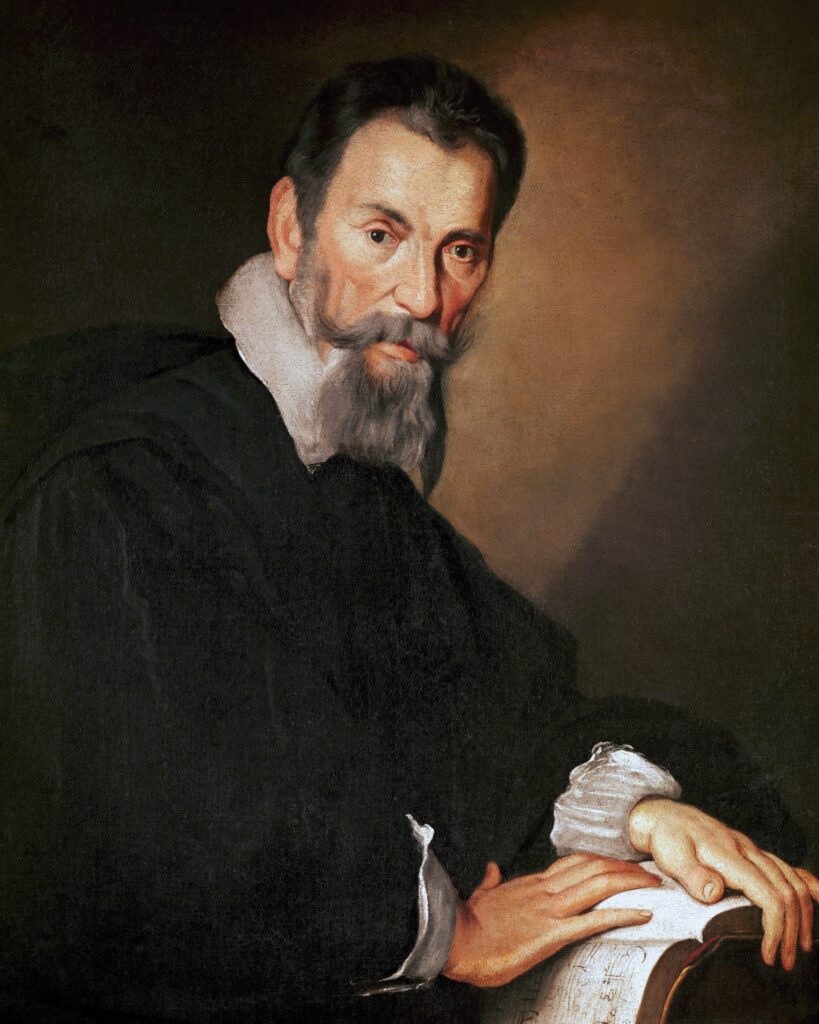
Beating Time
By Janet Kenny
The old have known the secrets of the heart.
The key to science, music, light and more.
Like birds that fly they know what wings are for.
Why worry, brood and ponder like Descartes?
“I think therefore I am” is not so smart.
“I feel therefore I am” can teach us more.
A life too much examined is a bore.
Far better to explore the fount of art.
Did Leonardo doubt before he drew?
Did Monteverdi hesitate to hear?
Did either of them doubt the things they knew?
They plunged right in. For them their work was true.
No vacillation, no excessive fear.
They saw the world and both enjoyed the view.
On Black Holes: A Meditation
By Janet Kenny
There’s evidence that black holes do exist,
but I am skeptical because I doubt
that I exist. A calculation missed
by some myopic, wispy layabout.
They are not nothing, no, they are a trap
for stars who overdo their sparkling act.
Inside they go where sparklers cut the crap
and flash attracts a negative impact.
If you believe in fairies, clap your hands.
They can’t clap back because they cannot move.
Excessive light pollution that expands
till ouch, their fate is difficult to prove.
A massive star is taking up the space
where lesser floating objects like to whiz.
Warped spacetime is so difficult to trace
and will not do when answering a quiz.
So, though my real existence may not be
as certain as the light switch by my bed,
it too turns on the dark. Fait accompli,
and nothing then can happen in my head.

Damn Bones
By Janet Kenny
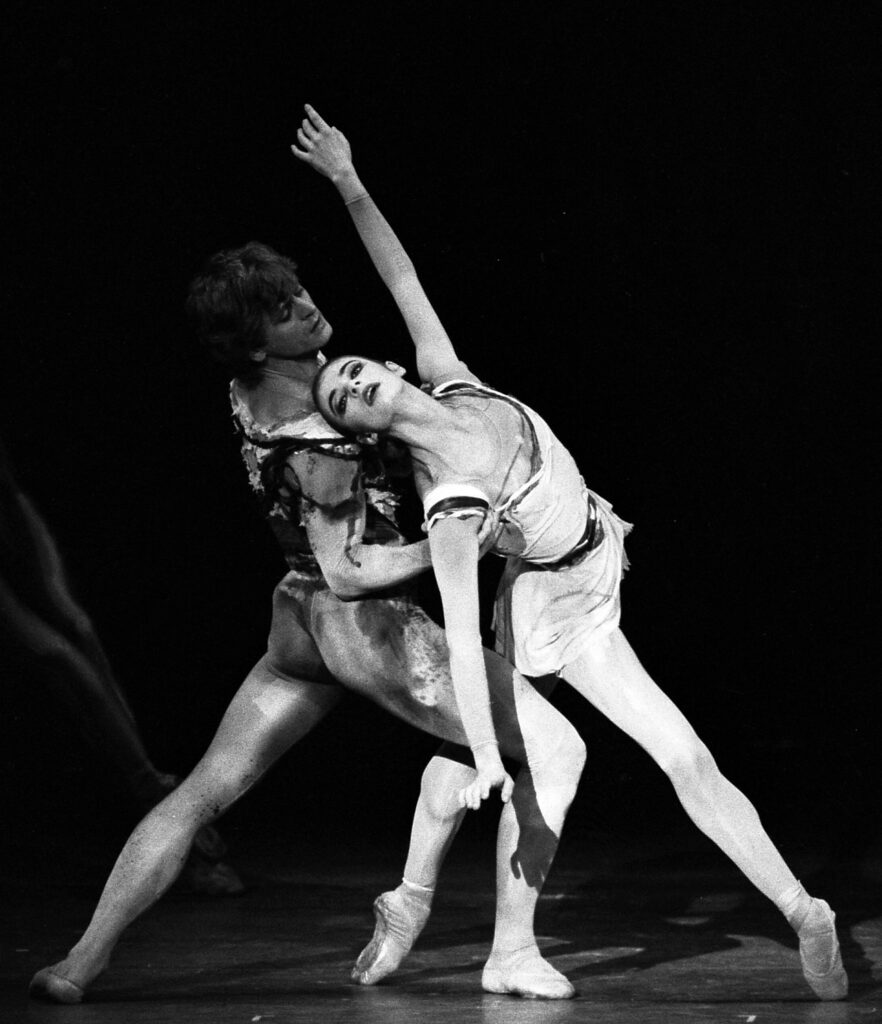
“It’s bones that break and let you down,”
they said, “The stiff stuff that supports
your rubber bits. Give up the clown-
act, pratfalls, stunts, the hard-ball sports.
Restrict trapeze-work, diving through
the flaming hoops. If I were you
I’d stop the high-wire tricks, and shun
the roller-derby. Any one
can dance the tango, but avoid
the sudden back-bends. You have won
the global tango-twist. Enjoyed
the thrill of grand jeté, and leapt
tall buildings with a single bound.
Now is the time to stop, except
when safety nets are spread around.
Now that you are one-hundred, try
to stay alive. You must not fly
unaided with a rubber band
and balsa wings. Please understand
you are too friable to risk
sports unreliable and brisk.
A slower pace, a gentler gait
may see you through the final strait.
Give up your surfboard and your bike,
it’s time to paddle, ride a trike.
Less brandy, and less violent sex,
it’s dangerous while wearing specs.
Sit down, shut up, it’s time to watch
the others while you sip your scotch.”
Janet Kenny: Anyone who has been diagnosed with osteoporosis will relate to this poem.
Felony
By Janet Kenny
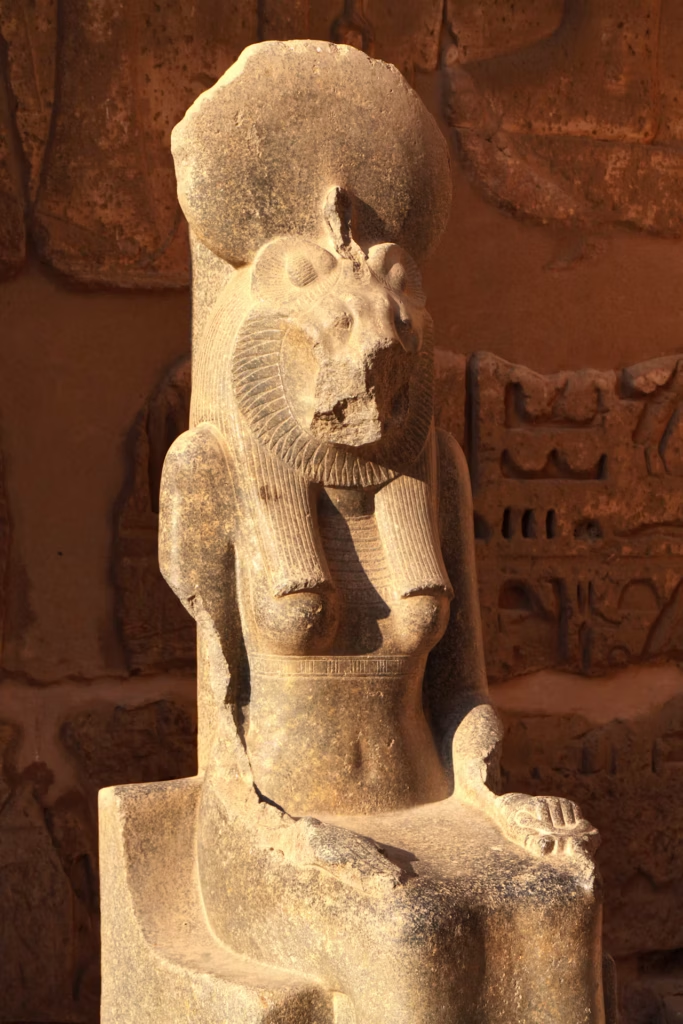
Marmalade cat across the street,
huge monument to too much love,
you lick your arse and then your feet.
I know the prone, dismembered dove
is down to you, fat feline fraud.
Our eyes engage, you look away.
You want to show me that you’re bored,
your yawn, a needle-toothed display.
I know bad actors. I read guilt
in every line and swollen curve.
The collared dove whose blood you spilt
was dealt the fate you more deserve.
Your golden eyes squint mystery.
Inscrutable to some but not
to me you thug, you effigy,
brown-nosing creep, vile sans-culotte.
Somewhere inside your pampered brain
the pards of old demand the price
of hunt and kill. You still retain
their lust for living sacrifice.
Oh, bastard son of Bast, your line
is seeded with the skills to live
yet you submit to plates of Dine.
Shame on you, fatuous feline spiv.

Cassandra
By Janet Kenny
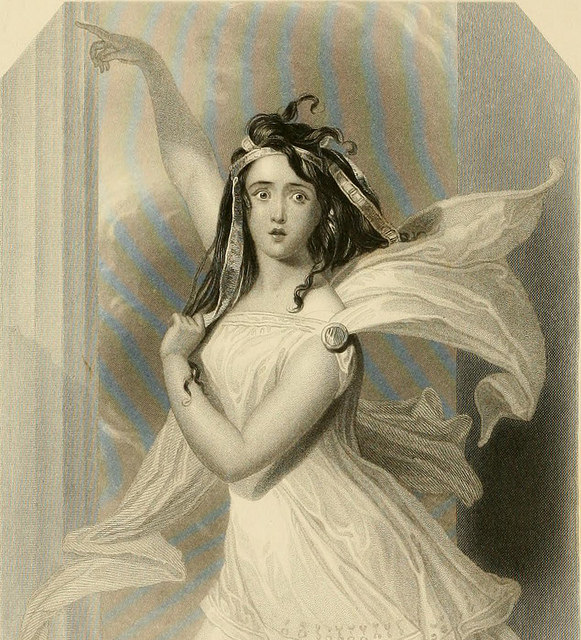
I saw it all and even wrote a book,
but no one cared. I saw the cities fall
and told the world, but not a person took
the blindest bit of notice. After all,
who am I? Nothing special, quite unknown.
So if I saw the danger in advance,
big deal? And even after they were shown
the first disaster, no one gave a glance
at what I’d said. So when the second struck,
they failed to link the two. They went ahead
preparing for the next disaster. Luck
is just a fiction by the not yet dead.
I don’t say much, except I sometimes write
small articles and emails to the press.
While they see day, I see eternal night.
I know the fate our experts merely guess.
They laugh a little less now at my words.
The evidence is stronger, but they still
imagine that I’m strictly for the birds.
I do feed birds. We all have time to kill.
Janet Kenny: I am a tired anti-nuclear-weapons campaigner.
Knightsbridge Traffic Jam
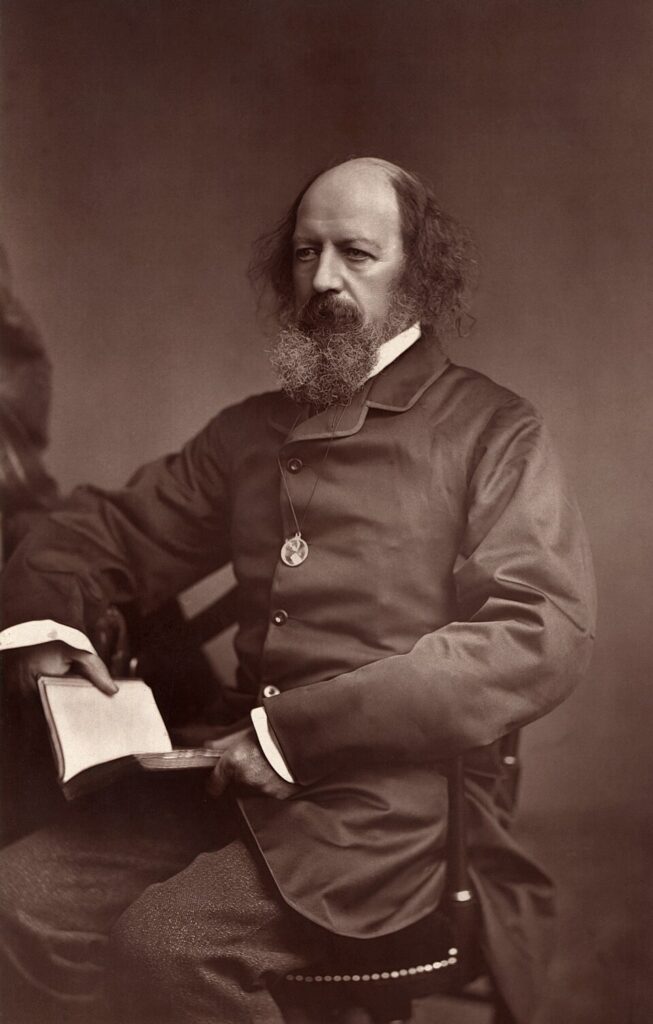
After “The Charge of the Light Brigade,” Tennyson
By Janet Kenny
Half a yard, half a yard,
Half a yard onward.
All in the Knightsbridge bus
Saw their time squandered.
Close by the taxis stayed
Stuck, and the mugs who paid
Taxi fares saw the bus,
Knowing they’d blundered.
Traffic to right of them,
Traffic to left of them,
Traffic behind them.
Baffled they wondered,
Motionless in that hell
How they could hope to tell
Why they had used a bus?
All of them pondered.
When can they be repaid
For the mistake they’d made?
Time unrefunded.
If they had used their brain
They could have caught the train.
Onwards it thundered.
Janet Kenny: There is a real story attached to this poem which was written for the Literary Review’s poetry contest. (It came second.) I was a young professional singer, and I had an important concert engagement in London’s Wigmore Hall. All of the details in the poem are true. I sat there thinking of the audience seated in the hall waiting to be entertained by someone stuck in a bus. So, I got out of the stationary taxi to which I had stupidly transferred, and I ran as I had never run before. And I sang, and Dame Eva Turner came up onto the stage and kissed me.
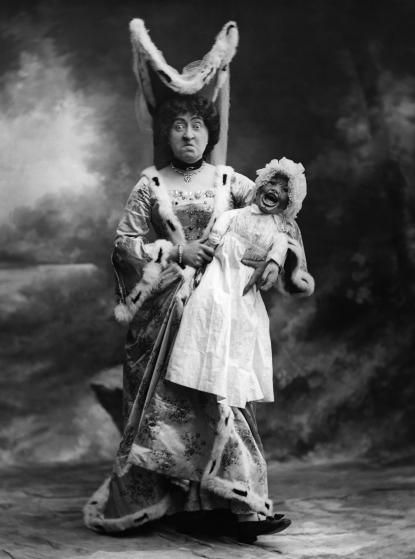

Duchess
By Janet Kenny
Have you ever been dumped by a duchess?
Have you tasted rejection and scorn?
Were you shown how too much your too much is?
Were your passport and visa withdrawn?
Was the purgatory of existence
beyond her exclusive domains,
imposed at her royal insistence
that none of your rubbish remains?
O lord can a life be worth living
deprived of her wisdom and charm?
Can a peeress be so unforgiving?
Must I grovel and practice self-harm?
As the chamber pot of her derision
was hurtled down onto my head
her energy and her precision,
proved only she meant what she said.
When a feuilleton’s meant to be charming
but none of the contents is true,
Hold your tongue, to avoid an alarming
explosion and hullabaloo.
It’s image and vanity mainly
that triggers a duchess’s pride.
Just say something nice and inanely
remain by the duchess’s side.
Janet Kenny: This a frankly vengeful poem. I’m glad I wrote it.
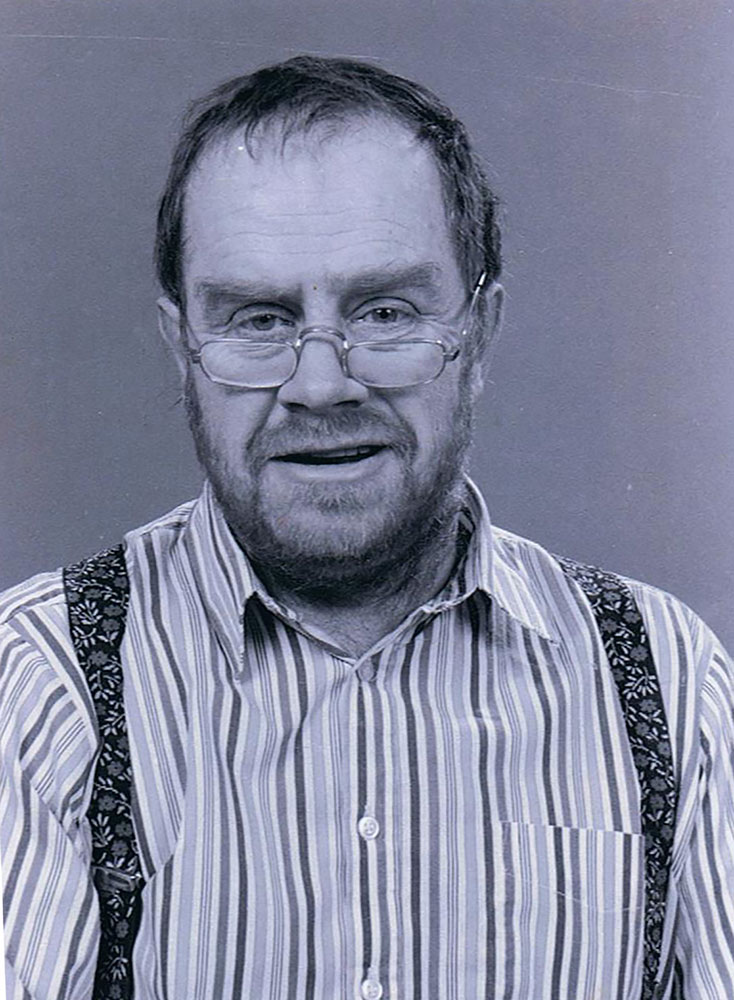
Words
To John Whitworth
By Janet Kenny
He can’t be defined, he’s a slippery cove
with a protean mind, he’s wet soap, dinkum oil.
An eliptical thinker, a tinker, by Jove,
who can roll up a sentence then watch it uncoil.
There’s beauty and badness and rudeness and cuteness,
some fruity allusions and moments more prayerful.
Hysterical puns and a blinding astuteness,
but reader, be warned! You had better be careful.
Just when you are laughing he says something moving
and tests your capacity, raising the curtain
on classical prosody, cunningly proving
he knows where his reader is rather uncertain.
When simple is wanted his simple eclipses
the sculpture of Arp and the sorrows of Werther.
A silence surrounds us. His uncanny grip is
as powerful as Browning and moving as Goethe.
His lists roll like thunder amassing insistence,
increasing their power as they grow in dimension.
Louder and louder they measure the distance
between the first word and his verbal invention.
His music is potent his meter is magic
we dote on his measure and treasure his laughter.
We ache for his presence, his absence is tragic
I want to believe we will meet him hereafter.

Editor’s Note: There may be readers out there, particularly in North America, who are (still) unfamiliar with the poetry of John Whitworth (to whom Janet Kenny’s last poem, above, is dedicated). Whitworth (1949-2019) was a master of formal verse . . . both “light” and dark as Hades. Were I still teaching poetry, I should offer up Whitworth poems in every class, to show what may be done (though rarely) in rhyme-poor, “unmusical” English. Here are two examples, one light as a soufflé; the other, dead-serious-dark.
Elegy for Philosophers
For Katie studying philosophy.
By John Whitworth
Socrates, tried for corrupting young people, was
sentenced to death by the state.
Giordano Bruno was burned by the Catholic
Church—a most horrible fate!
Seneca stoically opened a vein when he
finally quarrelled with Nero.
Bonhoeffer said he was timid by nature, but
faced up to death like a hero.
Viennese Schlick was shot dead by a mad Nazi
student whose thesis he ploughed.
Pagan Hypatia, so learned and witty, got
stoned by a Christian crowd.
Yet, by and large, and it’s proven statistically,
incontrovertibly
proven statistically
life does philosophers proud.
Poor Gödel was fearful of poison and starved, having
lived all his life rather prissily.
Empedocles, much more intrepid, jumped into a
smoking volcano in Sicily.
Gentle Pythagoras died in a fire, or a battle,
according to source.
Whewell, the polymath Master of Trinity,
died when he fell off his horse.
Rational Condorcet, imprisoned by Robespierre, was
probably killed in his cell.
Atheist Lucretius (say Christians) took sex pills, went
mad and lies burning in Hell.
But in the main you would have to admit,
when you’re faced with the evidence,
bound to admit,
most philosophers do very well.
Shpet, the idealist phenomenologist,
perished through Stalinist thuggery.
Montague died at the hands of a boy he
procured for the purpose of buggery
Bacon caught cold stuffing snow in a chicken and
ended with scarcely a sniff.
Jevons was drowned, and Protagoras shipwrecked…
Herbrand fell off a cliff.
More and Boethius took the king’s shilling and
paid in the end with their heads.
Giovanni Gentile who praised Mussolini was
slaughtered by partisan Reds.
Still, for the most part, as might be expected,
in all probability
should be expected,
philosophers die in their beds.
Freedom
By John Whitworth
. . . think fredome mair to prys
Than all the gold in warld that is.
We saw the invaders’ fires in the valley.
Their impious revels borne upon the breezes
Stank in our nostrils like their rotting cheeses.
At last we had no time to shilly-shally.
Their devils’ fires were burning in the valley.
We were the architects of our calamity.
We had felt the iron fingers on our collars
And paid a strong sufficiency of dollars
To co-exist in spurious amity
As willing architects of our calamity.
They are come to desecrate our ancient places,
They are come to turn free people into chattels,
Too numerous to defeat in open battles,
This gallimaufray of gross, alien faces
That spit upon our ancient, holy places.
They will not see us watching from the shadows.
They will not see us crouched above the treeline.
Our counter-moves are feral, secret, feline.
To trap the rats that swarm upon our meadows,
And, one-by-one, to slay them in the shadows,
To drag them from the feasting and the laughter,
Rip out their throats and leave them staring, tearing
At fickle life that flits away uncaring
Back to the doleful dark before and after,
Far from the fires, the feasting and the laughter.
We thought we were too feeble to resist them.
They came with promises and civil speeches.
Like wolves they raven and they suck like leeches,
Like viruses they paralyse the system.
We thought we were too feeble to resist them
We were the architects of our calamity.
We sold our children and our children’s children,
And grovelled in the temples of the heathen,
Prostrate in our pusillanimity,
The willing architects of our calamity.
If we must die then let it be for Freedom,
With all the benison of blood can give us,
The rolling wheatfields and the tumbling rivers,
The silver sands about our golden kingdom.
For Freedom. Die for Freedom. Die for Freedom.

Janet Kenny
Janet Kenny, born in New Zealand in 1936, won a scholarship to attend art school at the University of Canterbury in Christchurch but soon found herself devoting more time to music. A soloist with oratorio societies, she gave frequent recitals in the university’s assembly hall, accepted engagements in Wellington with the International Society for Contemporary Music, and toured with the national youth orchestra. In the early 1960s, Kenny and her husband moved to London, where she studied singing with the great Flora Nielsen and was surprised not only to be engaged as a soloist at Glyndebourne Festival Opera but to find herself singing in the Henry Wood Promenade Concerts at The Albert Hall. Kenny joined the enterprising Basilica Opera company, and her favorite role— Nicklausse, the muse of poetry in disguise, in Offenbach’s “Tales of Hoffmann”—foreshadowed her later and abiding engagement with poetry. (She couldn’t believe it when she found herself clowning on stage with the great Italian baritone Rolando Panerai in Rossini’s “Cenerentola” at the Belfast Festival!) When ill health ended her singing career, Kenny and her husband relocated to Australia, where she became deeply involved in the anti-nuclear-industry movement; gathering, editing, and contributing to a book about the international response of women to the industry: Beyond Chernoby: Women Respond, published in 1993 by Envirobook. Kenny’s poems have appeared widely in international journals. (In 2022, the Cambridge University Press published Editor Midge Goldberg’s compilation Outer Space: 100 Poems, which contains, in order of antiquity, Plato, Shakespeare, and eventually, at Number 79, a poem by Kenny). The poet’s two collections of poems are This Way to the Exit, published by White Violet Press, and Whistling in the Dark, published by Kelsay Books. (Author Head Shot Augment: René Laanen.)