Italian Meanderings

Singing & Drowning
By Janet Kenny
“Nobody really laughs at Rome./Rome rules and always has. Each stone/is steeped in power. Each lane has known/the best and worst of fragile man./No taste, no color, no design,/no inspiration and no crime/is not ingrained in blood and bone,/and stamped by cold officialdom./Nobody laughs at Rome, the stern/facade intimidates its own./Papal rulers’ fists of iron/provoked a brief rebellion./Napoleon came, but left in gloom,/just one more sad Utopian.”—Janet Kenny
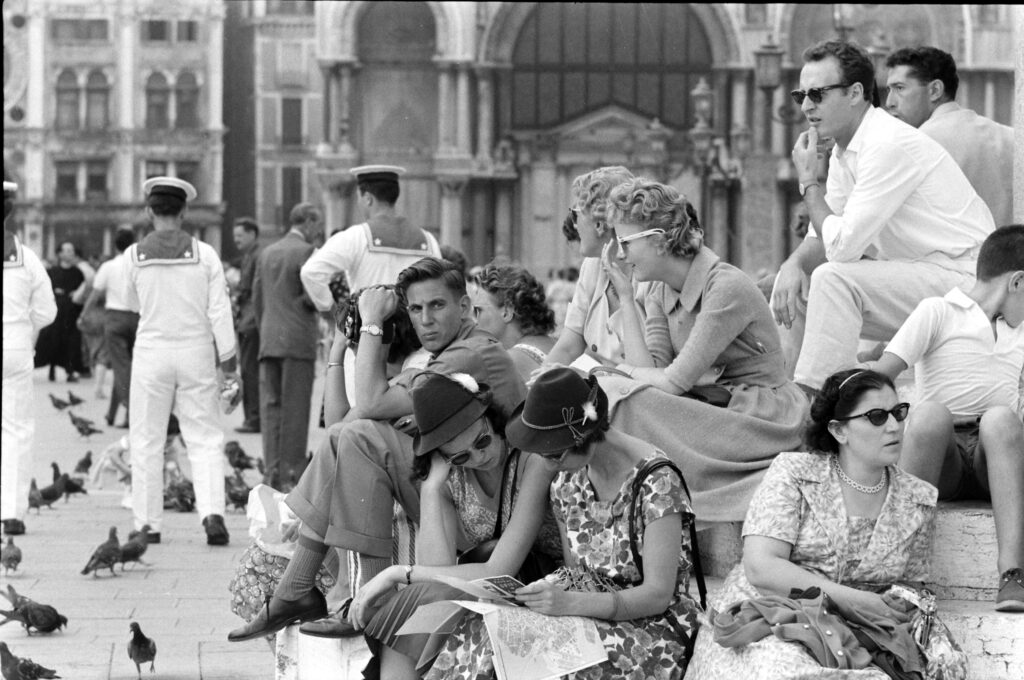
P OINT VERNON Australia—(Hubris)—July/August 2026—In summer, the narrow lanes of Venice are crowded with tourists. When I was there, the other tourists seemed mainly to be American. The lanes were crammed with tiny shops filled with glass swans and fully rigged sailing ships balanced on glass shelves. This incident involving an American tourist actually happened.
Commedia dell’arte
By Janet Kenny
Splish tinkle! Eek! a woman’s shriek.
Klish klash—the sound of breaking glass.
An errant pigeon caused the farce.
(Venetian glass shops fear to speak
of pigeons.) The signora’s cries
increase the panic of this bird.
Musique concrète becomes absurd.
Her top notes only energize
the manic fowl’s destructive flight.
“Keep still!” A military man
stands in the door. “I know I can
remove the pigeon.” See, a knight
in shining armor, perfect, brave
and pure of heart, intent to catch
the monster that has met its match.
His gaze is confident and grave.
He holds his jacket ready, stalks,
then hurls the coat which smashes all
remaining kitsch against the wall
as out the door the pigeon walks.
Venetian comedy pokes fun
at human vanity and flaws.
Not ours, of course. The faults are yours.
That’s why it pleases everyone.
Water Cats
By Janet Kenny
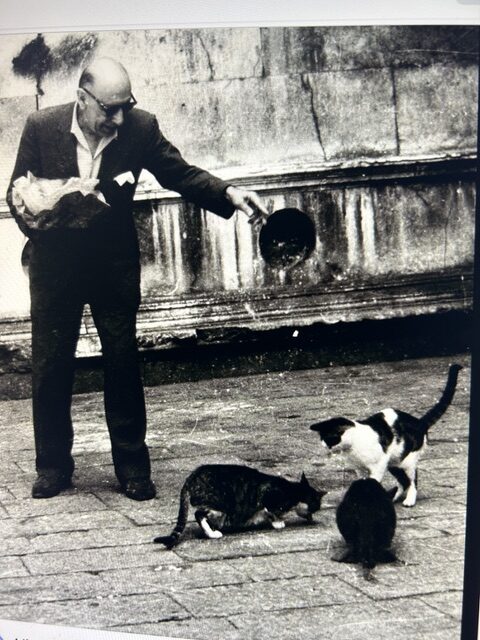
Prides of kittens prowl the calli
of Venezia, curled together
on stone steps, more cloned
than incestuous. Grizzled
cats uniformly wear their island
fur, and fight intruders of other
pelt. Ginger invaders repelled
by greys, for cats in Venice
have ruled territories since
the days of Huns and Visigoths .
Proud felines defied Ostrogoths
and Langobards. On the lake isles
they were free to dwell in a dream
built on illusion. No walls guard
these water cats who mew
the dialect of their stones, as traders
paid their weight in fish, and Tintoretto,
Tiepolo and Canaletto cast their nets
to catch the world and draw it in.
_(cropped).jpg)
Rome stunned and changed me. Nothing in the world seemed the same after I had spent time in this city.
Nobody Laughs at Rome
By Janet Kenny
Nobody really laughs at Rome.
Rome rules and always has. Each stone
is steeped in power. Each lane has known
the best and worst of fragile man.
No taste, no color, no design,
no inspiration and no crime
is not ingrained in blood and bone,
and stamped by cold officialdom.
Nobody laughs at Rome, the stern
facade intimidates its own.
Papal rulers’ fists of iron
provoked a brief rebellion.
Napoleon came, but left in gloom,
just one more sad Utopian.
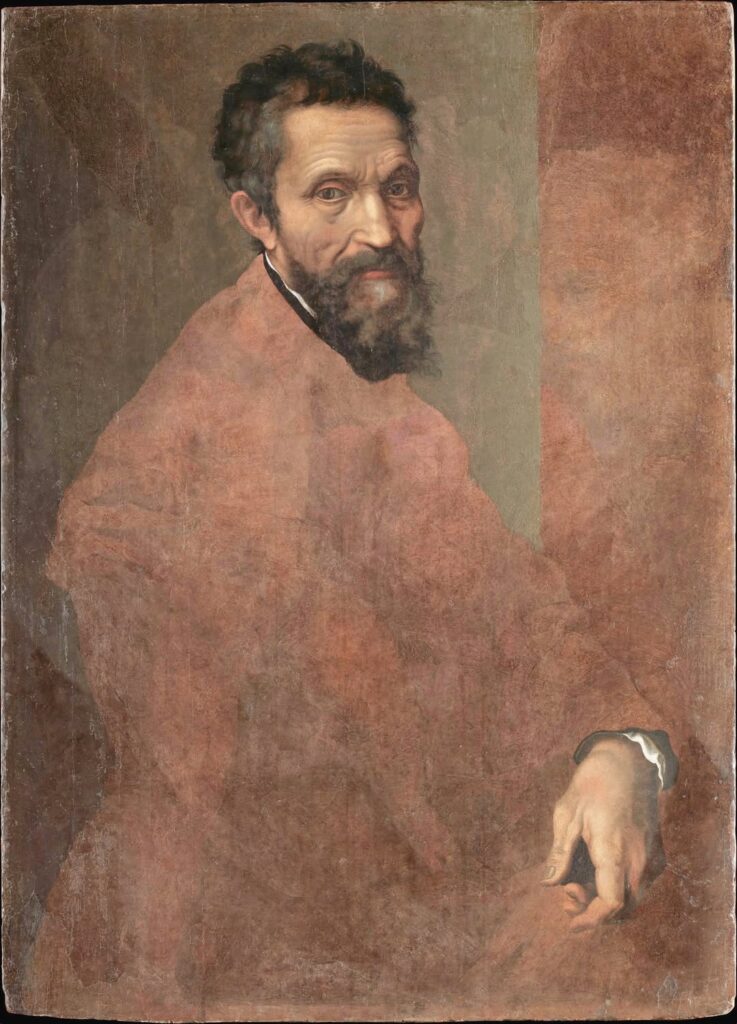
Bernini and the Vatican
and Michelangelo are known
by artisan and courtesan.
The Pantheon still bears its dome
the oldest dome in Christendom.
Nobody laughs at Rome but some
bright fountains laugh as gods recline.
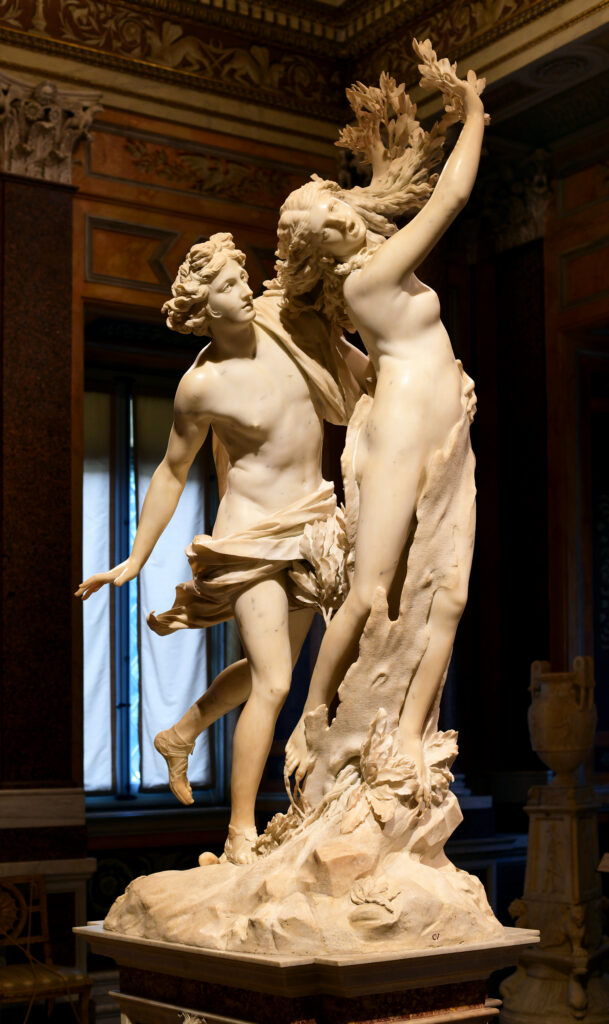
Leaping sculptures, horse or Pan,
Apollo and Daphne as they ran
are mobile perpetuum.
Nobody laughs at Rome but in
the streets of Rome, the ceaseless din
is amplified by laughter from
the Romans laughing, drinking wine
and nobody ever laughs alone.

Roman Kitten
By Janet Kenny
Many years ago
I watched a kitten leave
the forum cats in Rome,
and on its wobbly legs
this innocent went forth
into the Roman roar
of speeding cars and trucks.
I turned away aghast.
I could not bear to watch
such trust encounter pain.
And now the tiny beast
forever must remain
trapped on an ancient road
that circles in my brain.
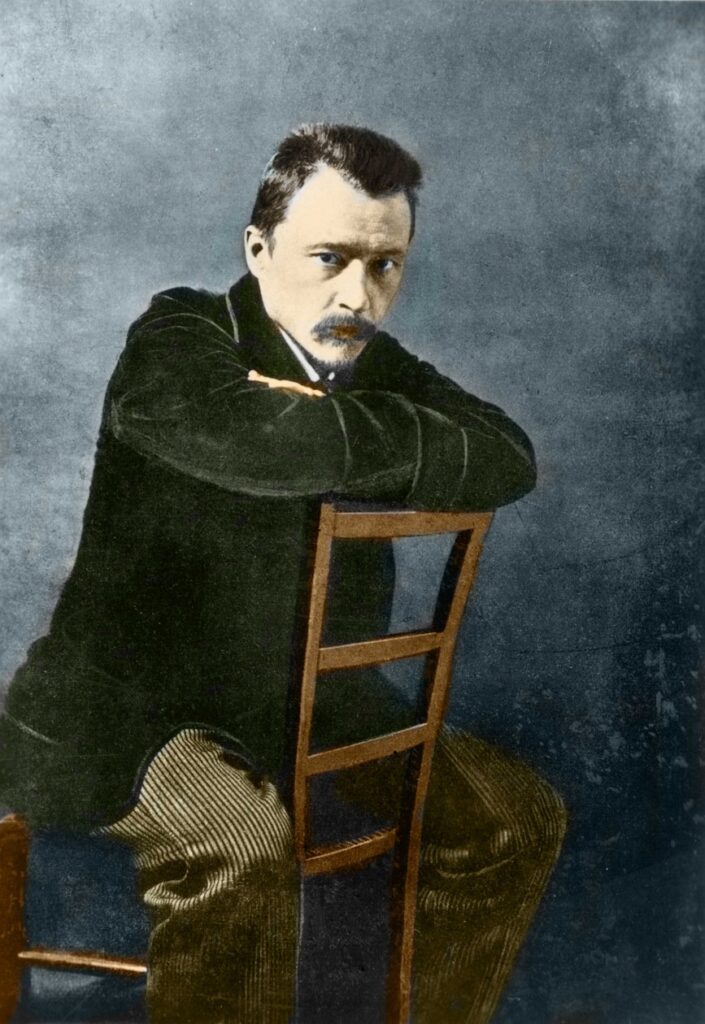
Here are two translations of a poem by Michelangelo, written before 1524, probably in Florence. I discovered the poem in a German translation set powerfully by the Austrian composer Hugo Wolf. The performer was the Ukrainian-Jewish-American bass, Alexander Kipnis. The original reads:
Rime
By Michelangelo Buonarroti
Chiunche nasce a morte arriva
nel fuggir del tempo; e ’l sole
niuna cosa lascia viva.
Manca il dolce e quel che dole
e gl’ingegni e le parole;
e le nostre antiche prole
al sole ombre, al vento un fummo.
Come voi uomini fummo,
lieti e tristi, come siete;
e or siàn, come vedete,
terra al sol, di vita priva.
Ogni cosa a morte arriva.
Già fur gli occhi ostril interi
con la luce in ogni speco;
or son voti, orrendi e neri,
e ciò porta il tempo seco.
Michelangelo’s “Chiunche nasce a morte arriva”
Transl. by Janet Kenny
Every birth leads to death
with the passage of time; nothing
under the sun remains alive.
Gone all pleasure and pain,
inspiration and speech;
Our ancient descendants
mere shadows, and mist.
Like you, we once were happy and sad
and now, as you see
we are in earth, deprived of life.
Every birth leads to death.
Where our eyes once glowed
with radiance in each socket,
now they are empty, horrid and black,
carried away by time itself.
I have always believed that meaning in poetry is as much in the form as in words. Michelangelo’s poem rhymes and has a strong meter. I read once that a document had been discovered in which Michelangelo expressed agnostic thoughts. I wondered if there was more irony here than suspected? Here is a light rhymed translation that may or may not be serious.
Michelangelo’s “Chiunche nasce a morte arriva”
Transl. by Janet Kenny
Everybody born must die.
Relentless time beneath the sun
kills you, kills me, kills everyone.
No more grief and no more fun.
Inspiration and discussion,
all descendants, dead and gone
in smoke and shadow, all undone.
Happiness and sadness too
were what we suffered just like you,
yet now we’re buried, really dead.
All things perish like I said.
Once our eyes shone warmly, brightly
using sockets as designed.
Now they’re horrid and unsightly
gone where everything is blind.
“Alles endet, was entstehet,” by Hugo Wolf; Alexander Kipnis, bass, Coenraad Valentijn Bos, piano; 1933.

Janet Kenny
Janet Kenny, born in New Zealand in 1936, won a scholarship to attend art school at the University of Canterbury in Christchurch but soon found herself devoting more time to music. A soloist with oratorio societies, she gave frequent recitals in the university’s assembly hall, accepted engagements in Wellington with the International Society for Contemporary Music, and toured with the national youth orchestra. In the early 1960s, Kenny and her husband moved to London, where she studied singing with the great Flora Nielsen and was surprised not only to be engaged as a soloist at Glyndebourne Festival Opera but to find herself singing in the Henry Wood Promenade Concerts at Albert Hall. Kenny joined the enterprising Basilica Opera company, and her favorite role— Nicklausse, the muse of poetry in disguise, in Offenbach’s “Tales of Hoffmann”—foreshadowed her later and abiding engagement with poetry. (She couldn’t believe it when she found herself clowning on stage with the great Italian baritone Rolando Panerai in Rossini’s “Cenerentola” at the Belfast Festival!) When ill health ended her singing career, Kenny and her husband relocated to Australia, where she became deeply involved in the anti-nuclear-industry movement; gathering, editing, and contributing to a book about the international response of women to the industry: Beyond Chernoby: Women Respond, published in 1993 by Envirobook. Kenny’s poems have appeared widely in international journals. (In 2022, the Cambridge University Press published Editor Midge Goldberg’s compilation Outer Space: 100 Poems, which contains, in order of antiquity, Plato, Shakespeare, and eventually, at Number 79, a poem by Kenny). The poet’s two collections of poems are This Way to the Exit, published by White Violet Press, and Whistling in the Dark, published by Kelsay Books. (Author Head Shot Augment: René Laanen.)